Improving Health Through Prevention And Discovery
Possara was established on a fundamental belief: the best opportunities for improving health exist before problems escalate into crises.
Through healthy aging initiatives and quantum-driven drug discovery innovation, we aim to identify risks early and create pathways toward healthier outcomes for individuals, communities, and future generations.
When Risk Becomes an Incident, Everything Gets Harder
A fall is rarely just a fall.
It can make the home feel unsafe, make recovery harder to manage, and put added pressure on family caregivers. What begins as one incident can quickly affect confidence, mobility, care coordination, and independence.
For governments, hospitals, clinics, and care organizations, that first incident often becomes the start of a more expensive cycle: repeat falls, readmissions, missed follow-ups, caregiver strain, and preventable decline.
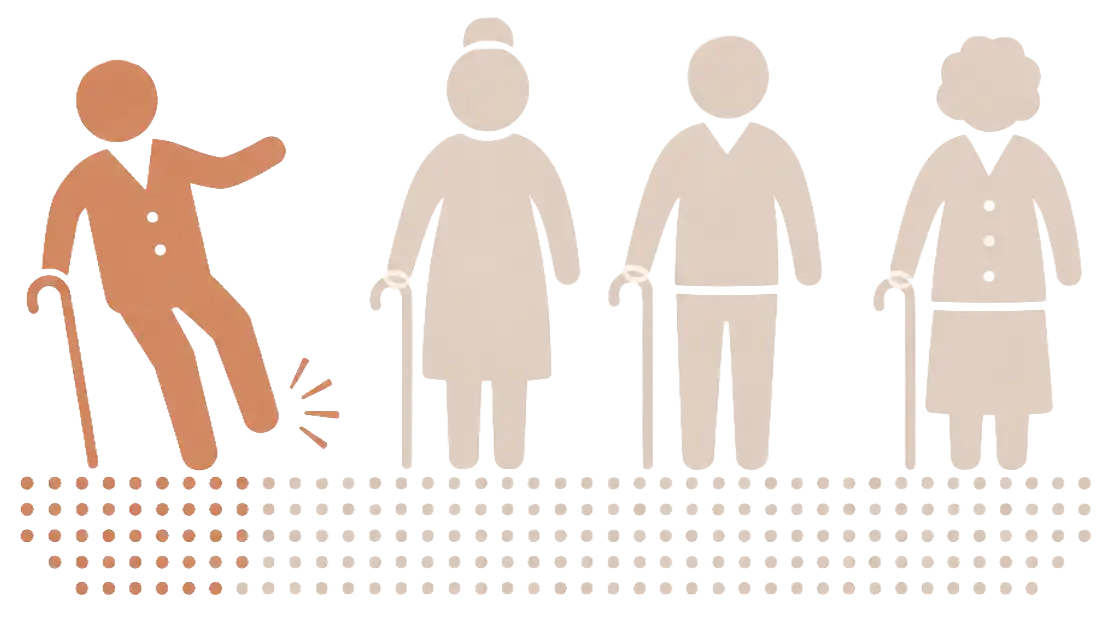
people aged 65+ report a fall each year. [1]
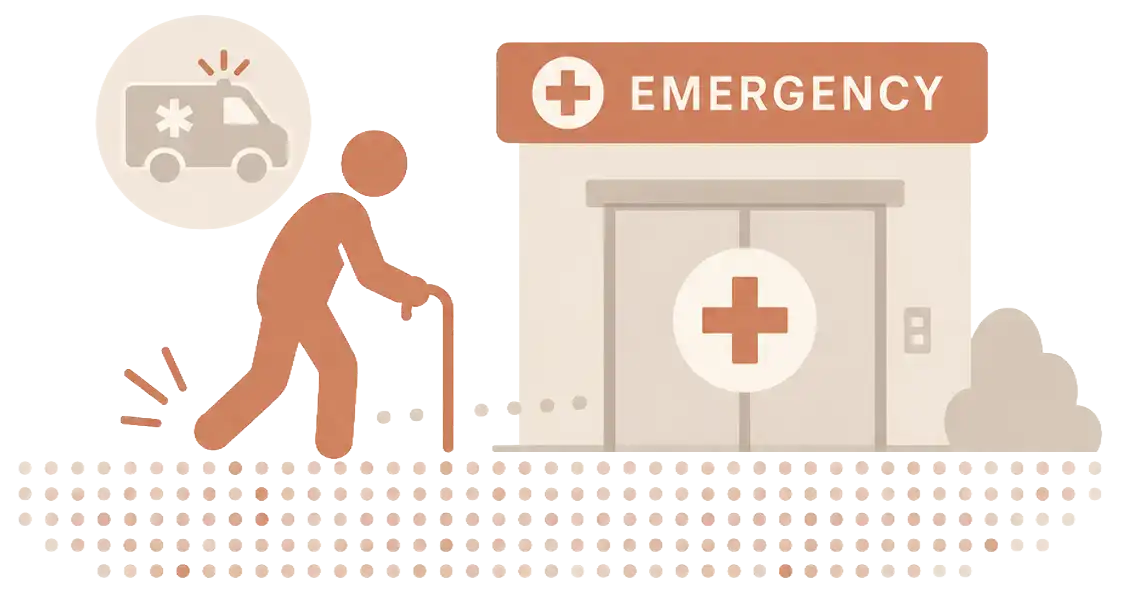
emergency department visits each year due to falls among older adults.[2]
Aging risk usually does not appear suddenly. It leaves clues.
Possara brings them into one prevention pathway — so risk can be seen earlier, reviewed clinically, and acted on before the first incident changes everything.
What If We Knew Who Needed Help First?
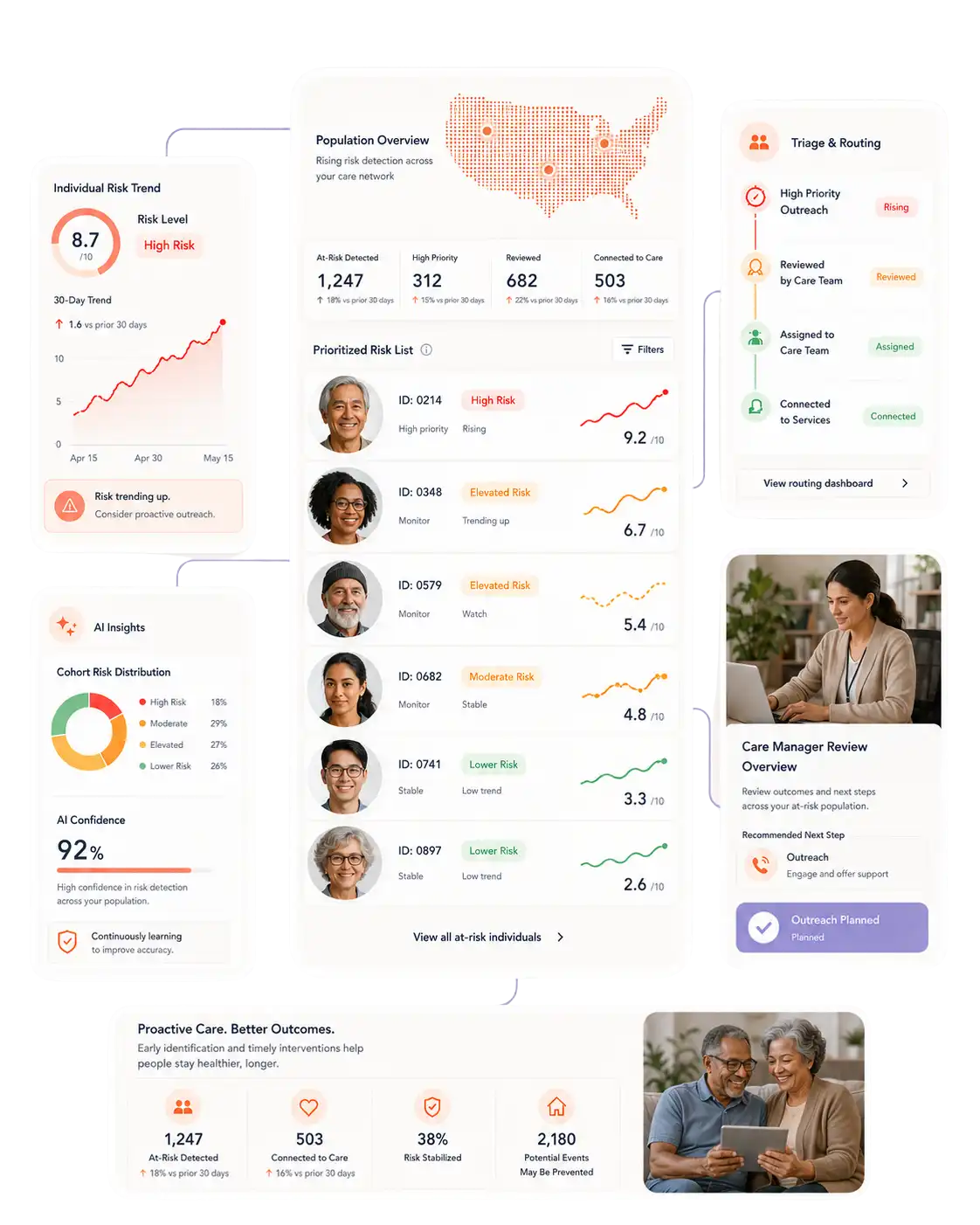
LongevityX helps identify and prioritize people whose risk may be rising before decline accelerates. Instead of waiting for a crisis, care teams can proactively identify where attention may be needed and route support to those most likely to benefit.
What If Movement Decline Could Be Seen Earlier?
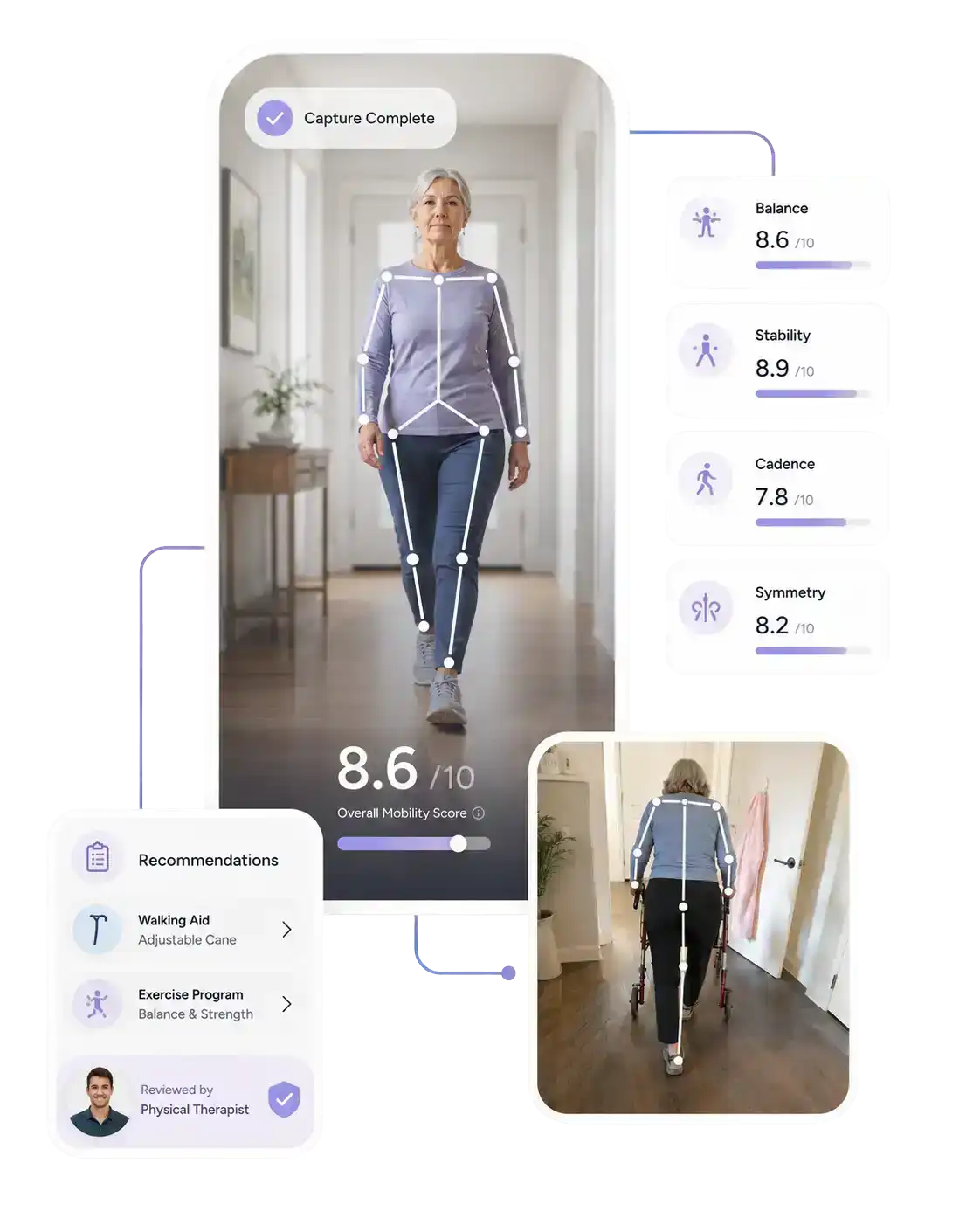
Gait turns short walking videos into mobility insight. A simple capture can reveal patterns in balance, stability, cadence, and movement. AI organizes these signals, while licensed physical therapists review recommendations before they are incorporated into the care plan.
What If Home Safety Could Be Assessed Before It Becomes a Hazard?
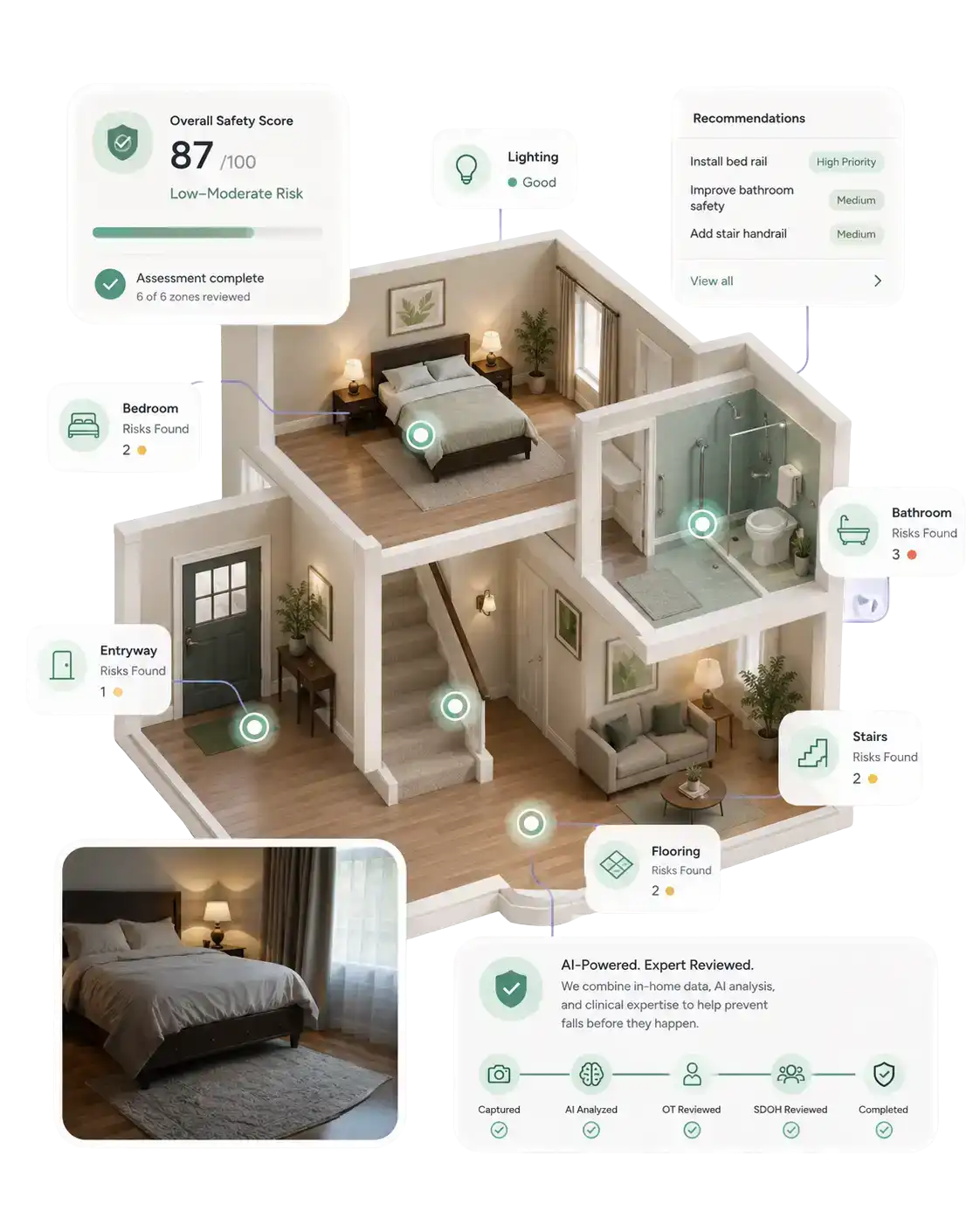
SureStep focuses on areas where many aging risks actually exist: the bathroom, bedroom, stairs, entryways, lighting, flooring, and daily movement spaces. Home photos and a structured intake process contribute to an AI-assisted safety assessment, which is reviewed by occupational therapy and social determinants of health experts, then translated into practical next steps.
What If Referrals Did Not Disappear?
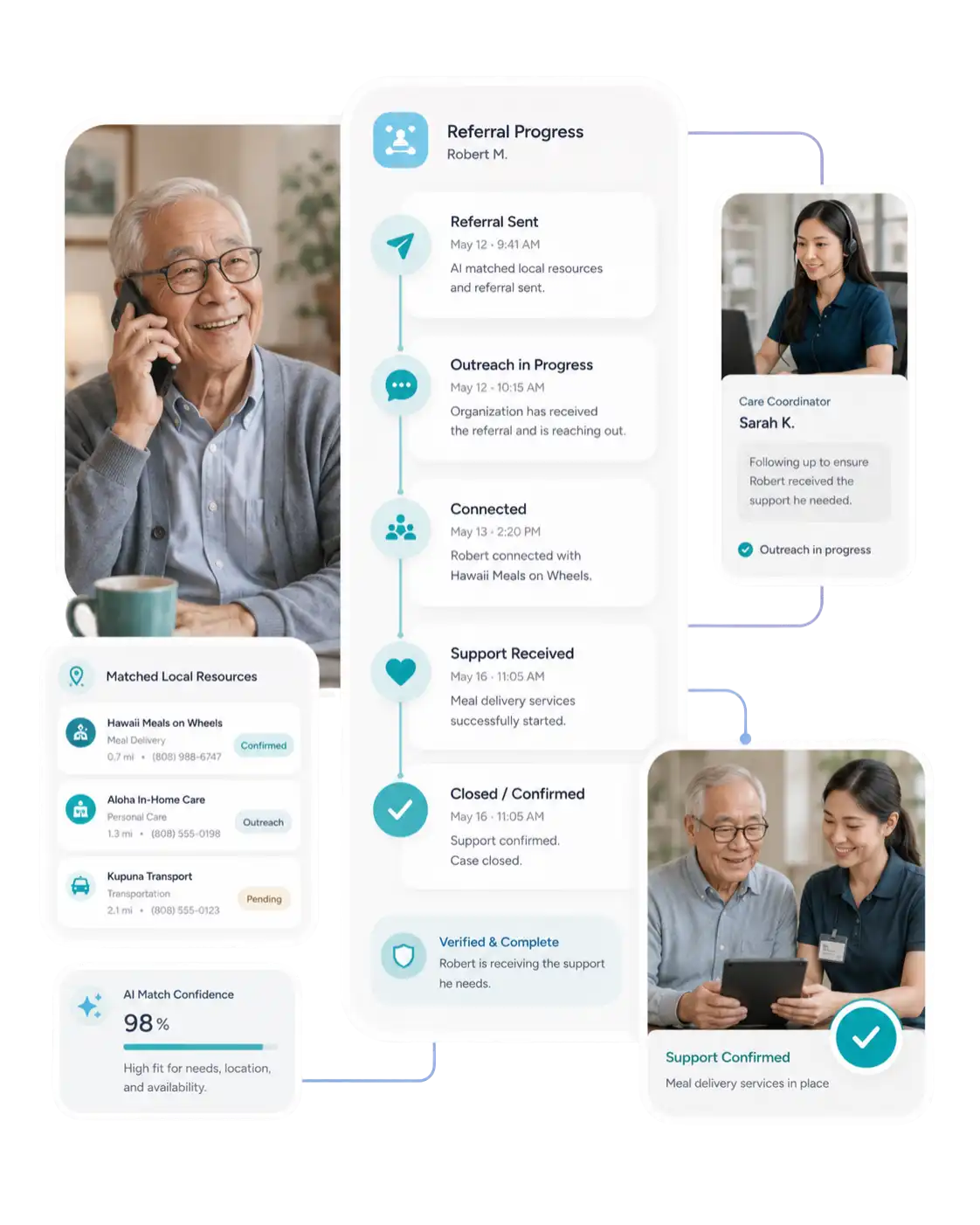
KokuaNet helps close the gap between referrals and real-world assistance. It connects individuals to local services, tracks outreach, follows up, and verifies whether help was received. Because in real care, a referral is not the finish line. Closure is.
What If We Knew Who Needed Help First?
LongevityX helps identify and prioritize people whose risk may be rising before decline accelerates. Instead of waiting for a crisis, care teams can proactively identify where attention may be needed and route support to those most likely to benefit.
What If Movement Decline Could Be Seen Earlier?
Gait turns short walking videos into mobility insight. A simple capture can reveal patterns in balance, stability, cadence, and movement. AI organizes these signals, while licensed physical therapists review recommendations before they are incorporated into the care plan.
What If Home Safety Could Be Assessed Before It Becomes a Hazard?
SureStep focuses on areas where many aging risks actually exist: the bathroom, bedroom, stairs, entryways, lighting, flooring, and daily movement spaces. Home photos and a structured intake process contribute to an AI-assisted safety assessment, which is reviewed by occupational therapy and social determinants of health experts, then translated into practical next steps.
What If Referrals Did Not Disappear?
KokuaNet helps close the gap between referrals and real-world assistance. It connects individuals to local services, tracks outreach, follows up, and verifies whether help was received. Because in real care, a referral is not the finish line. Closure is.
Supporting Healthy Aging in Hawaii
Possara is currently being used in Hawaii to support healthy aging across diverse communities, homes, and care environments.
Hawaii’s population includes people with different cultural backgrounds, languages, family support systems, living situations, and health-related needs. This diversity means that prevention is more than just a clinical task; it requires understanding risk in context—how someone moves, where they live, what support they can access, and whether help actually reaches them.
Possara brings these signals together through local intake, AI-assisted organization, clinician review, mobility insight, home-safety assessment, referral coordination, and follow-up.
patients supported
local resources and referral partners
Built for Regional Deployment
Possara is designed for governments, hospitals, clinics, community organizations, vendors, and technology partners that need practical implementation — not another disconnected AI demo.
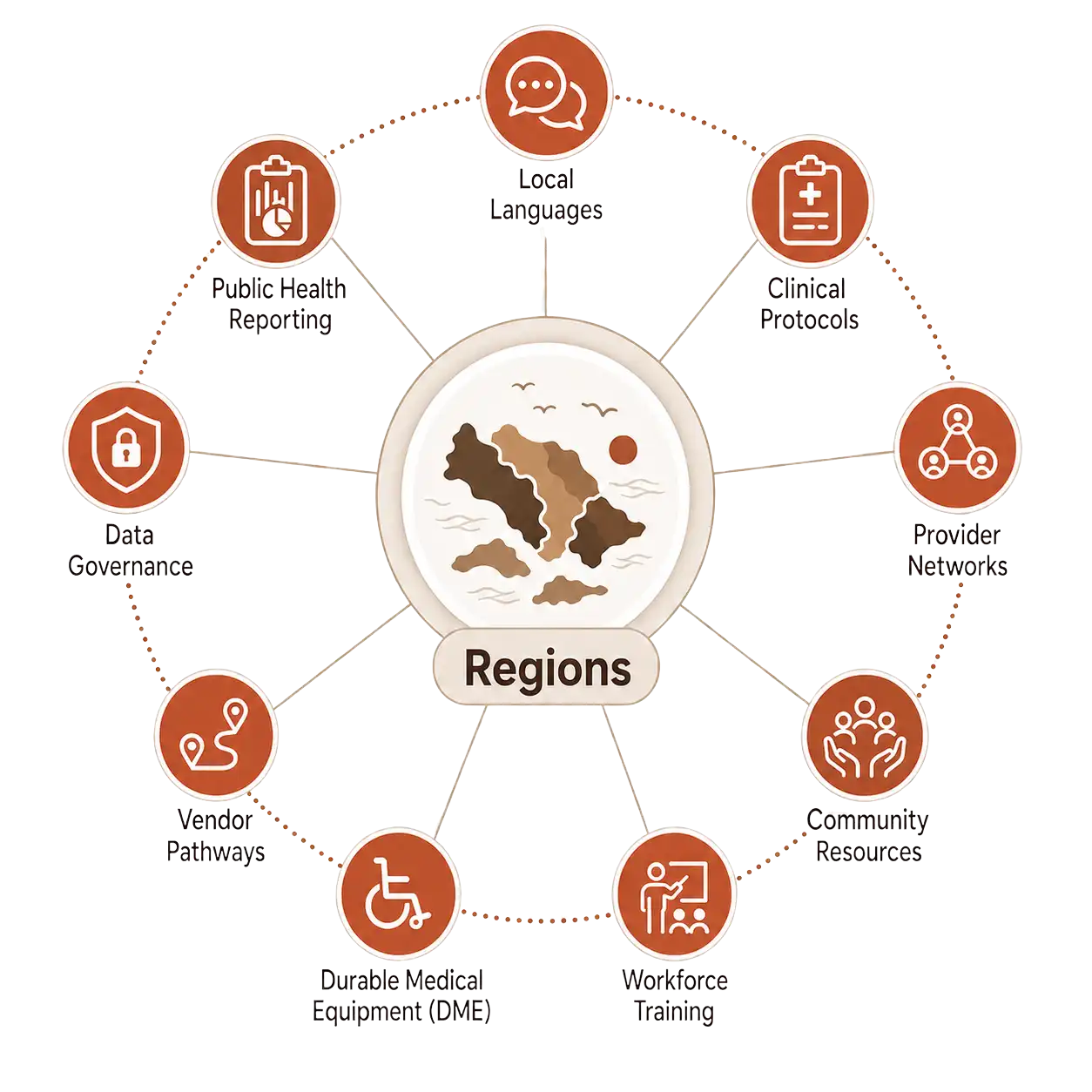
The model can be customized to accommodate local languages, clinical protocols, provider networks, community resources, workforce training, durable medical equipment (DME), vendor pathways, data governance, and public health reporting.
For regions, Possara provides an effective approach to connect fragmented aging support services into a cohesive prevention strategy.
Led by People Who Understand Care and Technology
Possara is led by people who understand both innovation and execution — combining healthcare leadership, aging-care operations, AI architecture, clinical workflow experience, and biomedical discovery.
The true strength of Possara lies not just in its technology, but in its leadership's ability to translate prevention from concept into practice—within homes, through care teams, and across the systems that support aging.

Hank Wuh
Founder and Board Chair
Hank Wuh, MD, MPH, is a surgeon, entrepreneur, investor, and healthcare innovator with decades of experience across healthcare, biotechnology, and technology-driven innovation. Recognized by Goldman Sachs as one of the “100 Most Intriguing Builders and Innovators” and named a Technology Pioneer by the World Economic Forum, Dr. Wuh has served as a founder, investor, or advisor to more than 50 technology companies. His extensive experience brings strategic depth to Possara's vision for drug discovery and healthy aging initiatives.
Cora Tellez
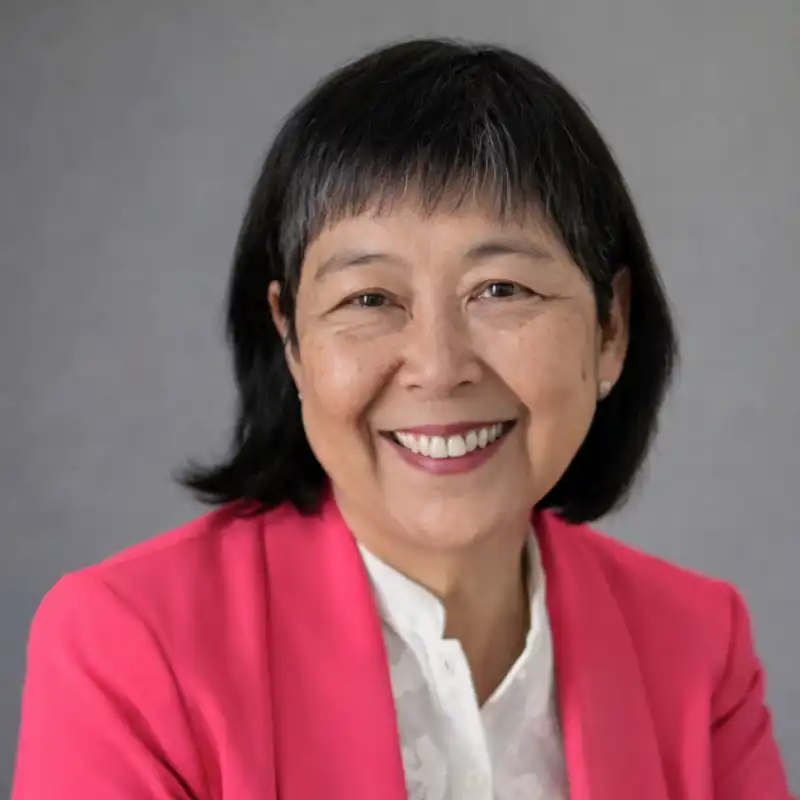
Founder and Chief Executive Officer
Cora Tellez brings decades of healthcare leadership experience across health administration, managed care, eldercare, and community health. She has served as the CEO of leading health organizations and as a director of multiple publicly listed companies in the United States. Her experience building sustainable healthcare systems adds important operational depth to Possara’s healthy-aging model.
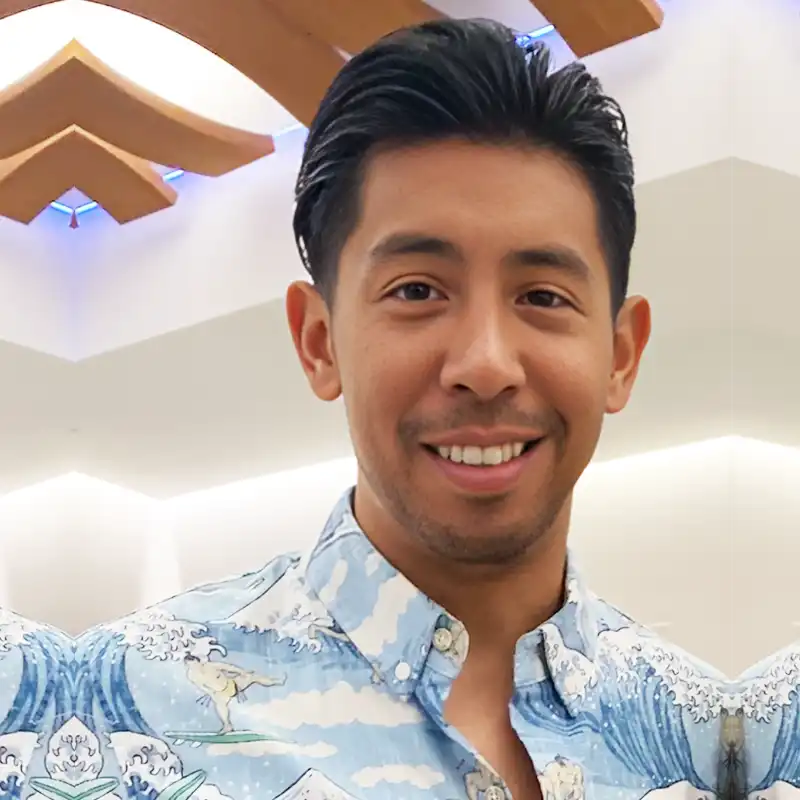
Alex Tellez
Founder and Chief Technology Officer
Alex Tellez brings extensive experience in data science and AI architecture from Silicon Valley, specializing in applied machine learning, computational intelligence, healthcare analytics, and biomedical discovery. His work includes developing AI-supported clinical workflows, predictive modeling to enhance patient safety, and advanced computational platforms that transform complex data into actionable insights.
Sterling Administration
Discover our sterling administration's expertise, research, and commitment to advancing knowledge in our field. Learn about our strategies, technologies, and dedication to safety.
This provides Possara with more than just a technological foundation; it equips the company with the expertise to transform the concept of healthy aging into reality — with trust, coordination, compliance awareness, partnerships, and follow-through.
The Next Horizon: Discovery That Moves with Purpose
Possara's prevention model emphasizes proactive measures to prevent decline. Whereas, Possara's discovery model is directed towards Possara Quantum, which expands this philosophy into biomedical discovery: act earlier, simplify complexity, and advance the best possibilities towards testing.
Rather than treating drug discovery as a trial-and-error search, Possara Quantum is being built as a decision-compression engine. It maps known chemistry, identifies promising white space, generates molecules within strict structural constraints, and prioritizes candidates before expensive biological testing begins. In simple terms: fewer random searches, fewer dead ends, and a more disciplined pathway from possibility to candidate.
The goal is not to replace biology; rather, it is to make the discovery process more focused before biological testing occurs, transforming vast scientific possibilities into a smaller, more robust, and test-ready group of candidates.
For regions aiming to go beyond mere care delivery, this approach creates a second horizon: enhancing research capacity, developing local talent, securing intellectual property, fostering biomedical partnerships, and participating in the future of pharmaceutical innovation.
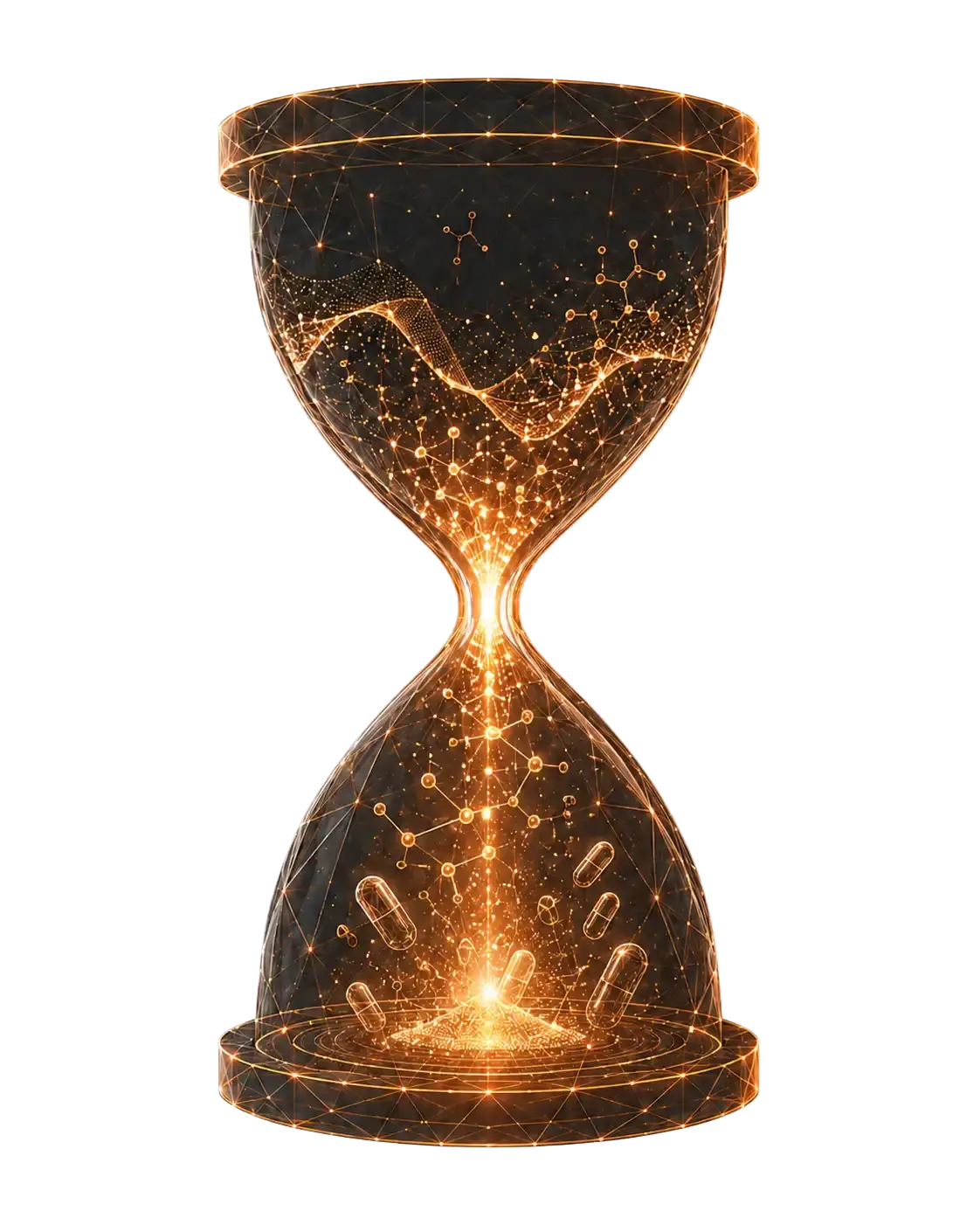
Possara's prevention model emphasizes proactive measures to prevent decline. Whereas, Possara's discovery model is directed towards Possara Quantum, which expands this philosophy into biomedical discovery: act earlier, simplify complexity, and advance the best possibilities towards testing.
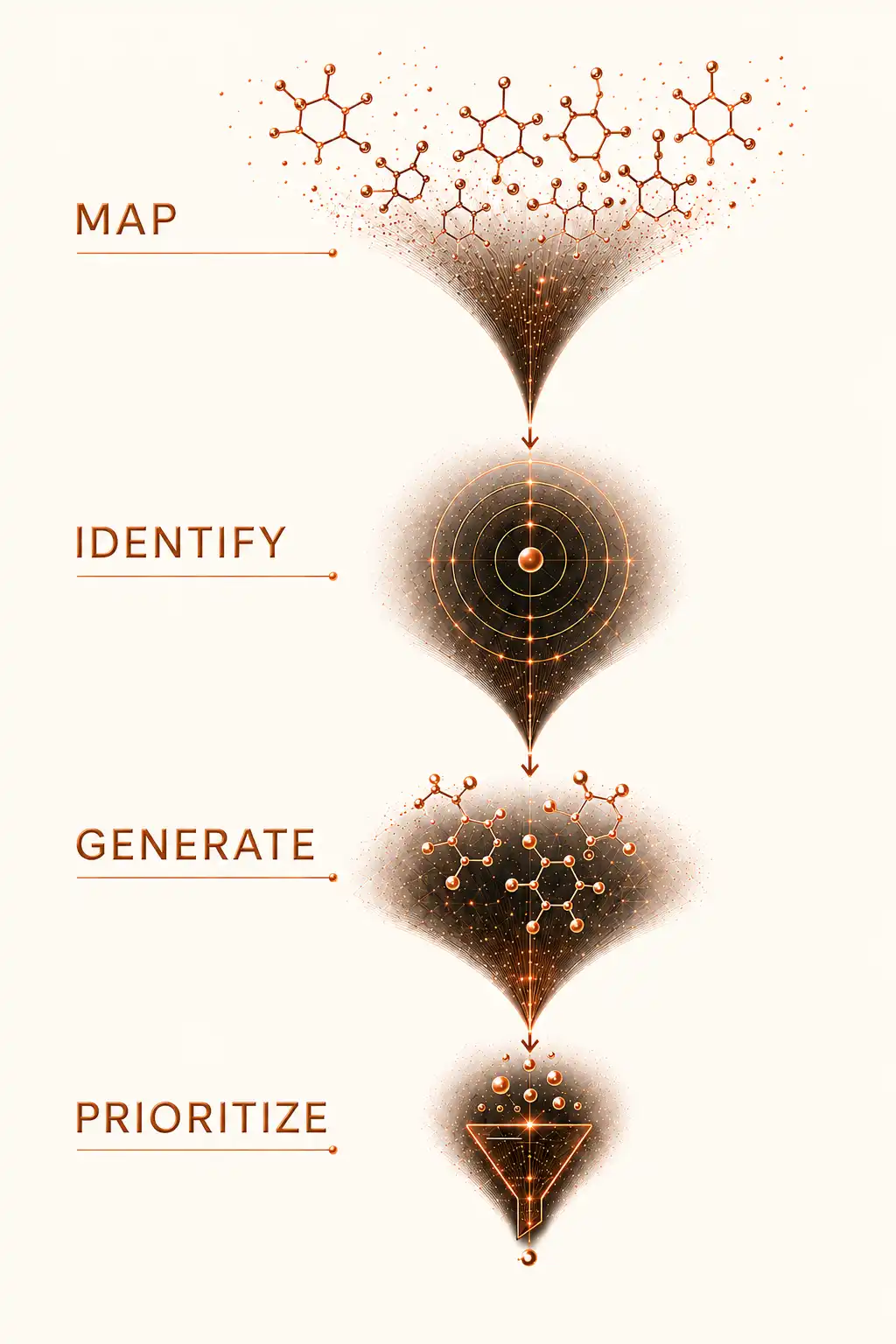
Rather than treating drug discovery as a trial-and-error search, Possara Quantum is being built as a decision-compression engine. It maps known chemistry, identifies promising white space, generates molecules within strict structural constraints, and prioritizes candidates before expensive biological testing begins. In simple terms: fewer random searches, fewer dead ends, and a more disciplined pathway from possibility to candidate.
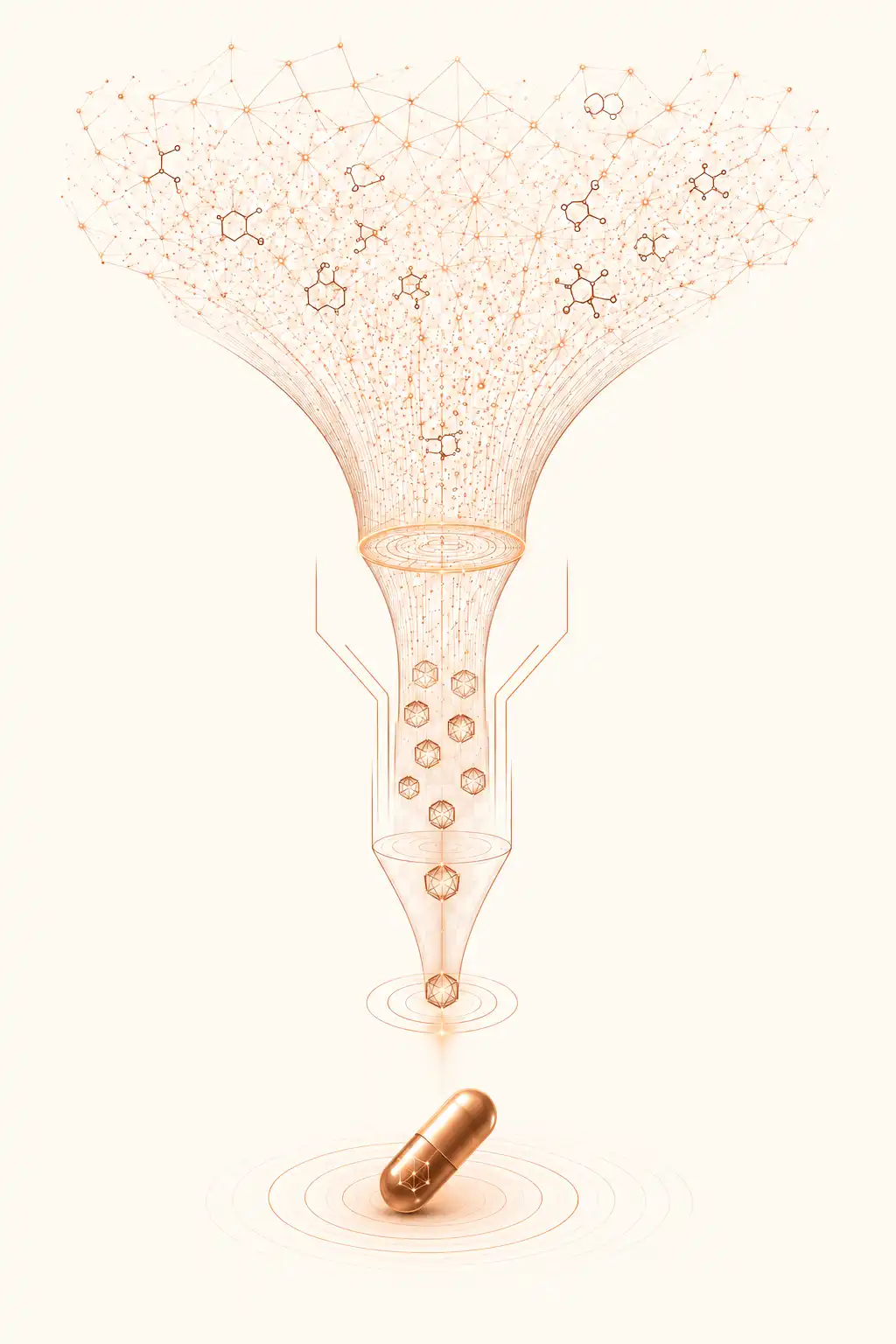
The goal is not to replace biology; rather, it is to make the discovery process more focused before biological testing occurs, transforming vast scientific possibilities into a smaller, more robust, and test-ready group of candidates.
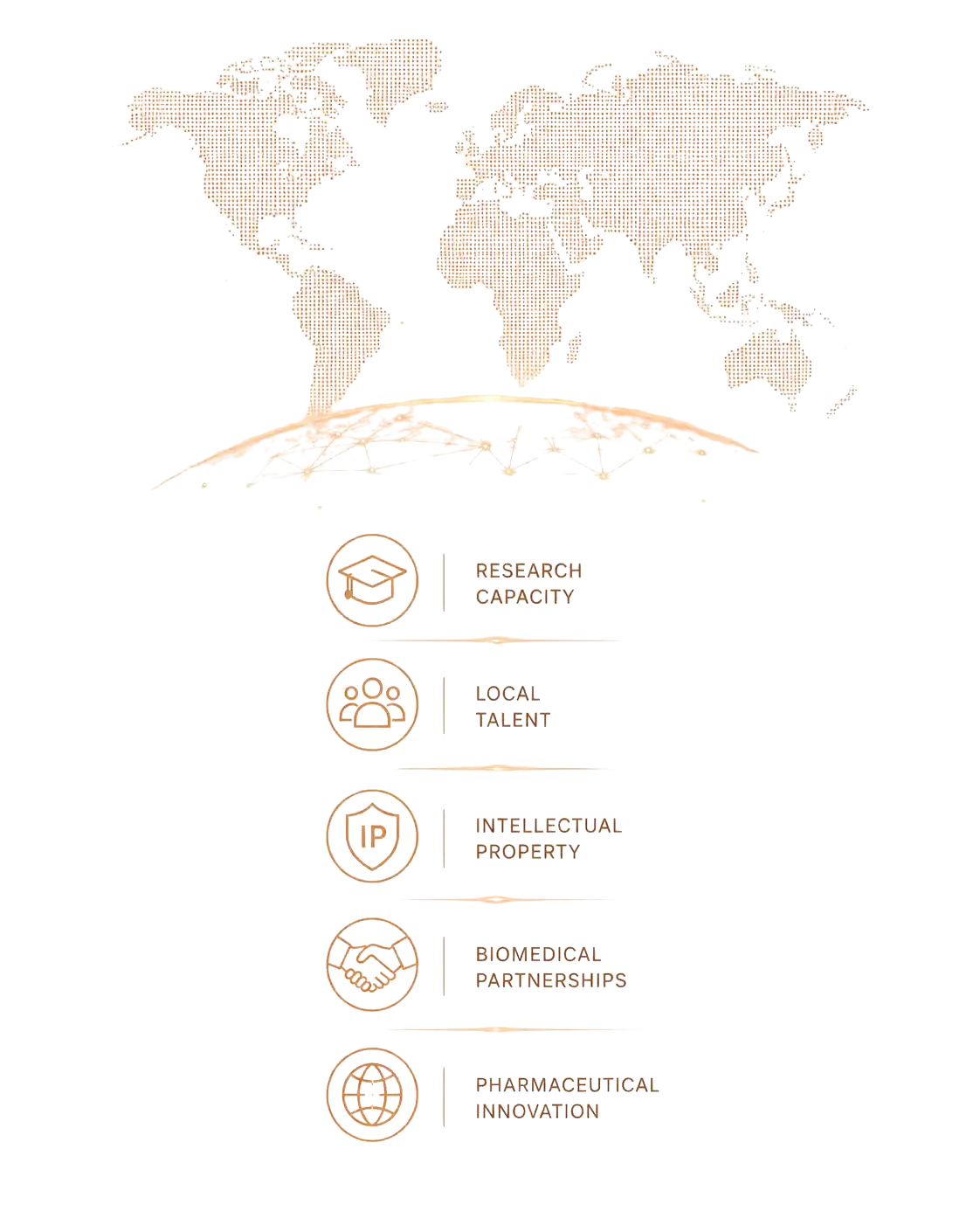
For regions aiming to go beyond mere care delivery, this approach creates a second horizon: enhancing research capacity, developing local talent, securing intellectual property, fostering biomedical partnerships, and participating in the future of pharmaceutical innovation.
References
[1], [2], and [3] Centers for Disease Control and Prevention, Facts About Falls